
Stories, Worlds,
Simulations & Vibes
Notes on story generators, world models and simulations, and on vibe development: building real, production systems with AI.
1976 → ∞ · Efe Anidi · London
Find your way in
Essays & field notes
All essays →Choice and authorship in AI Story Generators: why 'say anything' can break a story
When a reader can type anything, what makes a choice matter? Agency versus the illusion of choice, why branching gets expensive, and the constraints that give generated stories weight.
9 Oct 2026
From interactive film to generative universes: what world models change
How world models could move storytelling from fixed clips and branches to responsive scenes—and what latency, coherence, player agency and authorship still demand.
A field guide to Story Generators: why interactive stories start with text
Story Generators turn an authored world into a live, responsive story. Text is the medium where that new form of interactive entertainment can be built and tested today.
Classical 2D mechanics: the feel layer under generated worlds
Jump arcs, movement, tile grids, collision, fixed timesteps and cameras: the hand-tuned rules that still decide how a generated world feels to move through, and how they anchor generated content.
17 Oct 2026
Story generatorsGenerative audio for story worlds: adaptive scores, sound effects and synthetic voices
From iMUSE to text-to-speech characters: how generated sound gives a story world its voice, when to generate live versus in advance, and the consent questions to settle first.
16 Oct 2026
World models & simulationsDesigning 3D worlds for discovery: from landmarks to world models
What makes a simulated world worth exploring, and how procedural structure, AI agents and world models can make space invite curiosity rather than just provide scale.
15 Oct 2026
World models & simulationsCharacters with memory: LLM agents in living simulations
How language-model agents add memory, goals and social behaviour to simulated worlds—and why an underlying model of what is true still matters.
15 Oct 2026
Vibe development
Vibe coding builds the demo. Vibe development builds the system.
I'm a senior vibe developer: I use AI agents the way a lead engineer uses a team, to architect and ship infrastructure, databases and backends that hold up in production. Not a sandbox, and not a one-page site.
CodingA prompt in a hosted builder such as Lovable, Bolt, v0 or Replit
DevAn architecture: services, data model, environments and boundaries, designed first
CodingThe platform’s sandbox and hosting, on its defaults
DevYour own infrastructure: cloud accounts, containers, edge workers, CI/CD
CodingA managed database wired up for you, schema mostly implied
DevSQL designed on purpose: schemas, indexes, migrations, constraints, row-level security
CodingGenerated CRUD and a few API routes
DevAuth, queues, jobs, caching, integrations and APIs that other systems depend on
Dispatches
All dispatches →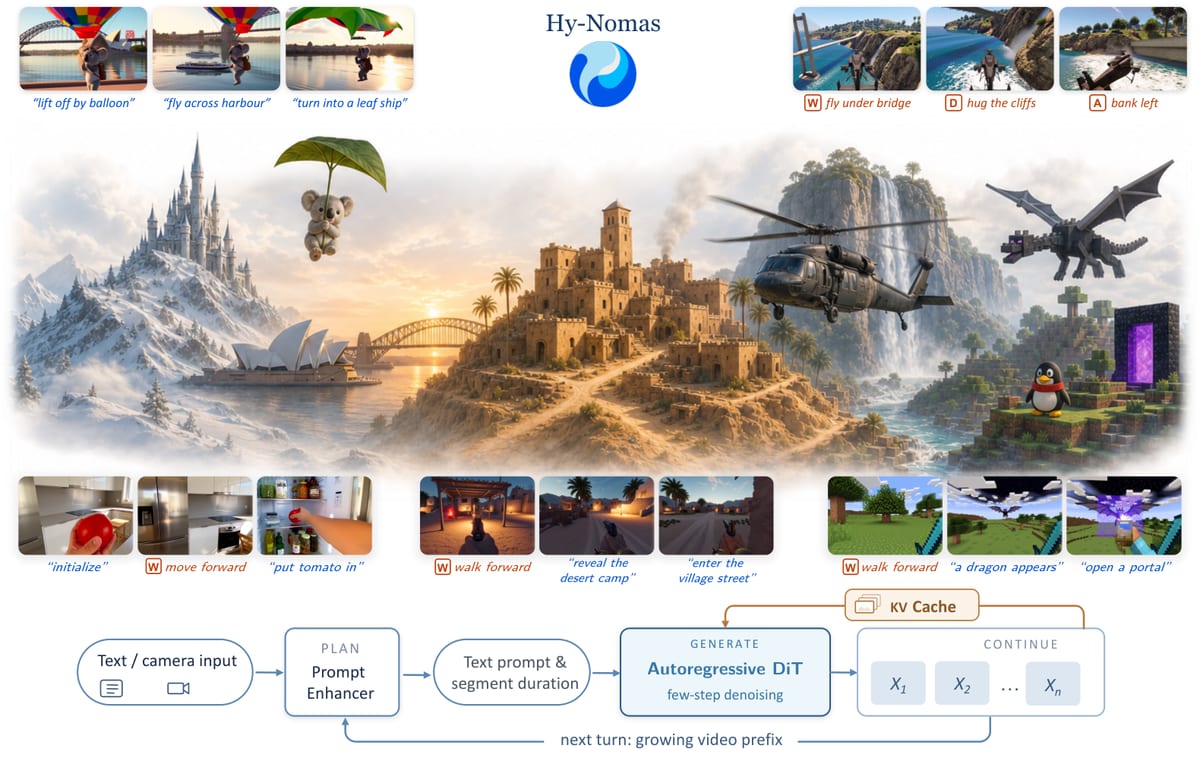
Tencent open-sources Hy-Nomas, an 8B interactive world model
Tencent Hunyuan released Hy-Nomas, an Apache 2.0 video world model steered by text and camera moves across multiple turns, plus a 280-case benchmark.
30 Oct 2026 · Tencent-Hunyuan GitHub repository
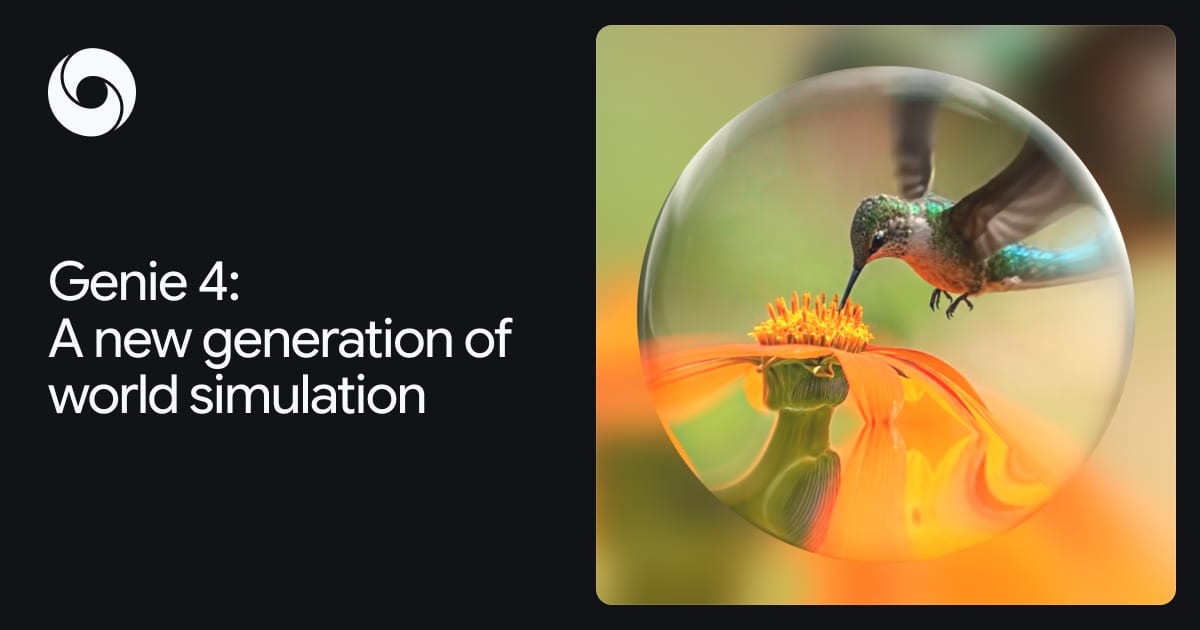
Google DeepMind unveils Genie 4, a real-time world model with audio
Google DeepMind's Genie 4 research preview generates interactive worlds with native sound and dialogue that you can re-steer mid-session with text prompts.
28 Oct 2026 · Google DeepMind blog
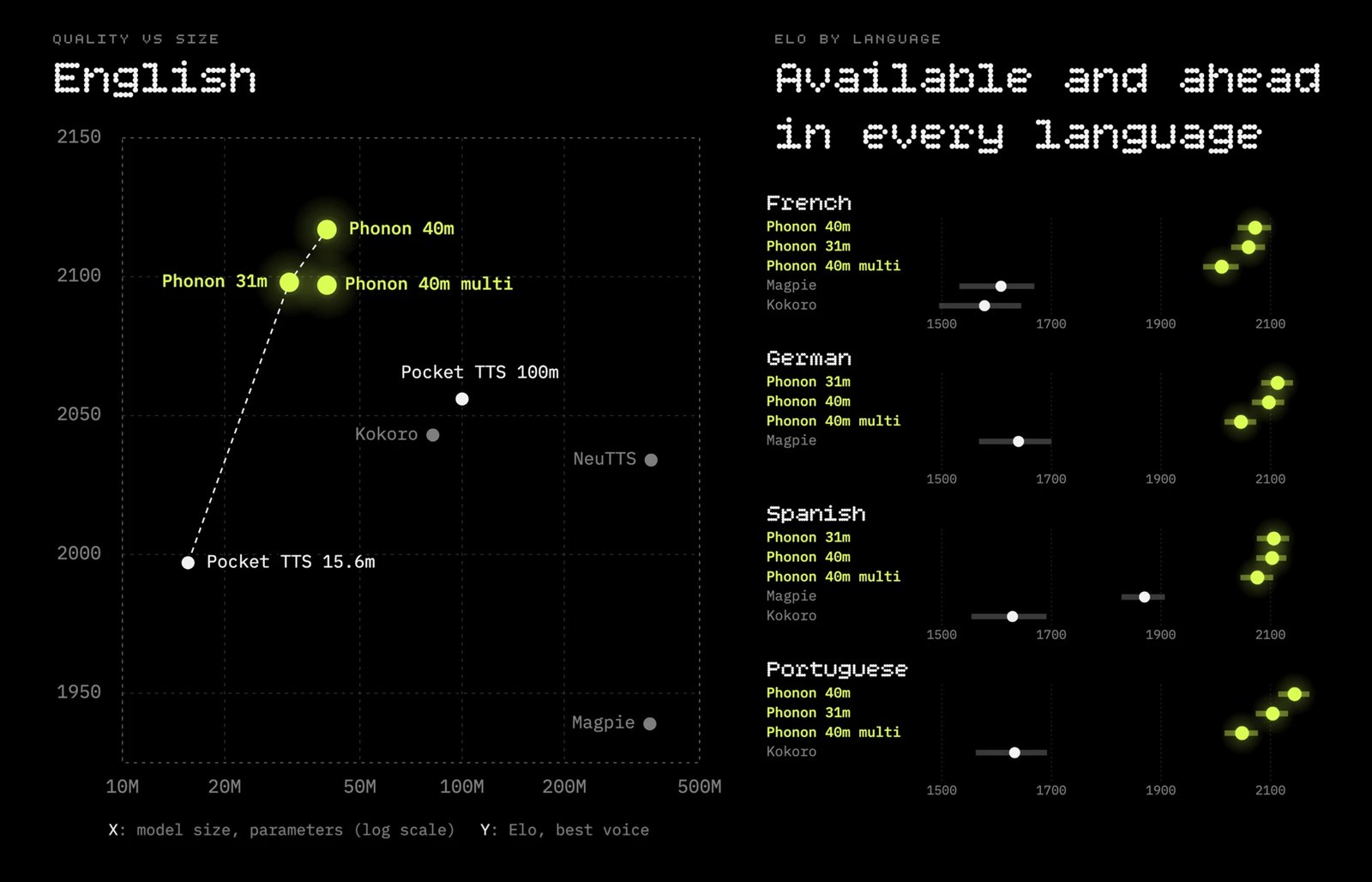
Gradium releases Phonon, a family of tiny open-weight text-to-speech models
Gradium has released open weights for Phonon, 31m and 40m parameter TTS models for CPUs, phones and browsers. Only the English 31m model allows commercial use.
20 Oct 2026 · Gradium blog
Topics
Story generators
Stories that are written as you play, shaped by your choices.
World models & simulations
How intelligent worlds remember, respond and change.
Transmedia & tools
Craft and technology for stories across text, voice, film and worlds.
Vibe development
Architecting real systems with AI: infrastructure, data and backends.
Books
The storytelling, world-building and systems-thinking shelf.